
Basic clinical neurology - module I
DATE: April 24–25, 2026
LOCATION: Warsaw, Klinika Teodorowscy
LECTURER: Prof. STEVEN DE DECKER, Dipl. ECVN
TIME: 9:00 AM – 5:00 PM
INTERPRETATION: English–Polish
Theory hours: 7 h Practical hours: 7 h
THE TRAINING CONSISTS OF TWO PARTS:
» Theoretical introduction to neurological disorders
» Case studies
WORKSHOP COORDINATOR: Dr. Wojciech Sokołowski, DVM, PhD
FEES:
Early Bird: PLN 4050 (net) (until December 31, 2025)
Regular Price: PLN 4500 PLN (net) (after December 31, 2025)
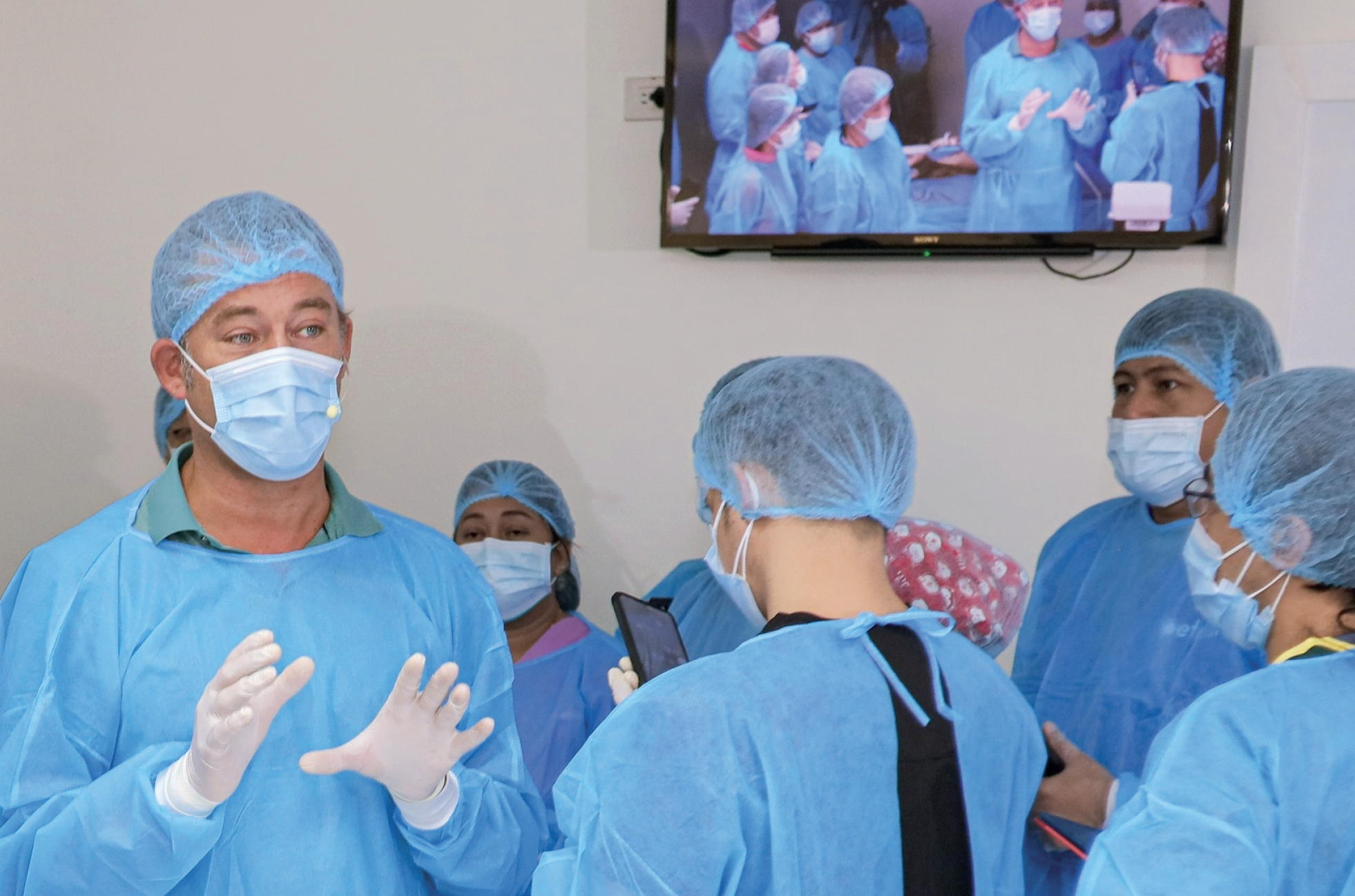
TARGET AUDIENCE: Veterinarians clinicians that don't feel comfortable at all with the neurology. Veterinarians who wish to broaden their knowledge of veterinary neurology and acquire skills useful in differentiating between orthopedic and neurological cases.
*Limited number of participants
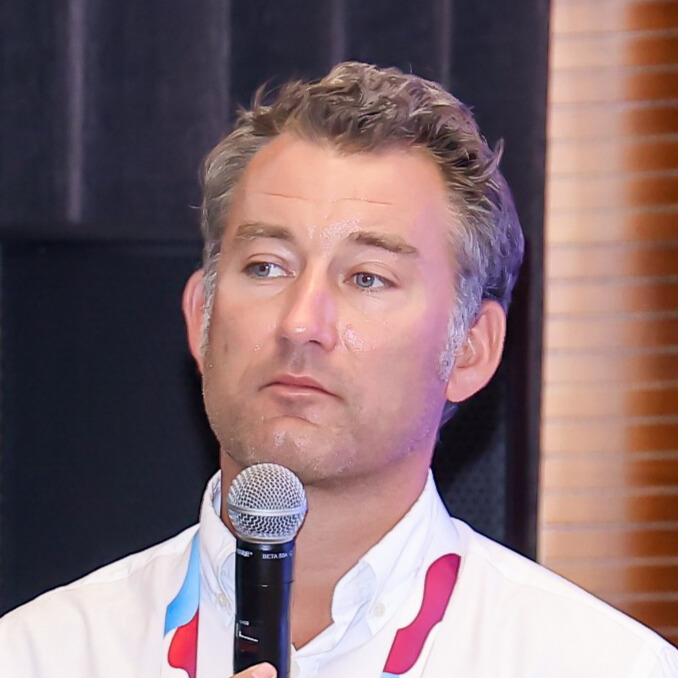
DVM, Phd, Dipl. ECVN, MvetMed, PGCert veted, FHEA, MRCVS
Steven De Decker
Professor and the Head of the Neurology and Neurosurgery Service at the Royal Veterinary College in London. He graduated in 2005 from the Faculty of Veterinary Medicine at Ghent University (Belgium). Following graduation, he completed a one-year rotating internship and a four-year PhD program focused on the diagnosis and treatment of cervical spondylomyelopathy (wobbler syndrome) in dogs.
In 2010, he began a prestigious Senior Clinical Training Scholarship in Neurology and Neurosurgery at the RVC. After becoming a Diplomate of the European College of Veterinary Neurology (ECVN), he joined the RVC Neurology and Neurosurgery team as a permanent faculty member.
Although his interests cover all aspects of veterinary neurology, his main focus lies in spinal disorders and neurosurgery. He is the author of numerous scientific publications and is actively involved in research projects, combining clinical work with teaching and academic activities.
OUTLINE PROGRAM:
What is the nervous system and what happens if it doesn’t work
How to perform a neuro-exam in practice
How to recognise the most likely differential diagnosis in practice?
How to approach acute hind limb paralysis in dogs
Spinal disease in cats
How to recognise neuromuscular disease in practice
Why do the epileptic seizures don’t stop
The acute brain: Head trauma and status epilepticus
How to approach vestibular syndrome in practice
Video based interactive case discussions
DURING THE TRAINING YOU WILL:
understand how the nervous system functions — you will learn how it works and what symptoms accompany its disorders
acquire the skills needed to perform differential diagnosis
learn, step by step, how to narrow down your diagnosis in practice based on clinical signs
gain knowledge on emergency management — including the principles of diagnosing and treating patients after head trauma and those in status epilepticus
learn how to approach vestibular syndrome in clinical practice
practice the knowledge you’ve gained using real clinical examples, which will make it easier to apply these skills in everyday practice
benefit from a Q&A session and discussion, allowing you to address your own experiences and concerns with the instructors
Registration for this event has been closed. We hope to see you at
Hosted by:
Klinika Teodorowscy Sp. z o.o.
7 Powstańców Street
43-180 Orzesze
WORKSHOP VENUE:
Klinika Teodorowscy
28 Maryli Street
02-842 Warszawa